

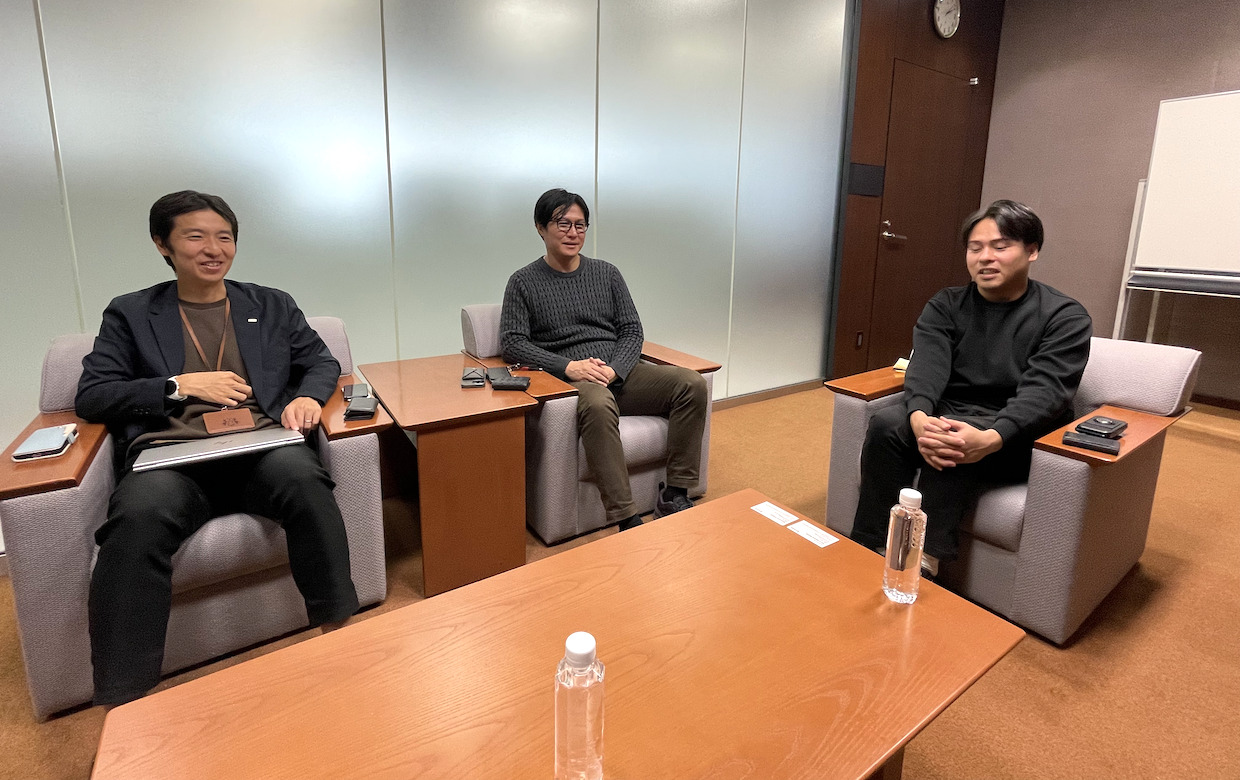
From left: Takuya Ishizawa (General Manager of Planning Department, SMBC Edge), Tomohiro Miyasaka (Chief Investment Officer, SMBC Edge), Yuta Nakamura (Business Development, SMBC Edge)
Photo credit: Growthstock Pulse
Continued from our next article: Why SMBC Refusing to Back Winners, But Betting on Underdogs Instead
“Various startup support programs are being conducted in regional areas, but there are no successful models”—this is a fundamental challenge facing Japan’s regions. Even when growing startups emerge, they can hardly be said to function as reproducible ecosystems.
SMBC Edge is trying to change this structure. Through expanding bases in Kansai (the Osaka-Kyoto-Kobe region) and Fukuoka, they’re challenging the creation of “regional unicorns” that leverage each region’s industrial characteristics. They plan to open a Kansai base within this fiscal year and a Fukuoka base within the next fiscal year.
Many regional startups cannot dig into deficits because the amount of fundraising is small. As a result, they cannot grow explosively as startups and end up as small and medium enterprises. (Ishizawa)
Takuya Ishizawa, who led the launch of SMBC Edge, analyzes the reality of regional startups this way. Harsh fundraising environments transform startups into “small-scale profitable SMEs.” To break this structure, capital supply equal to Tokyo and comprehensive growth support are necessary.
Megabank capital strength and nationwide network, along with abundant assets—armed with these, SMBC Edge is trying to change Japan from the regions. Leveraging regional characteristics and “supporting everyone with will to win together”——they’re fully backing this movement that’s hard to emerge in Tokyo.
The Power of “Will Capital”: Regional Unity Beyond Logic
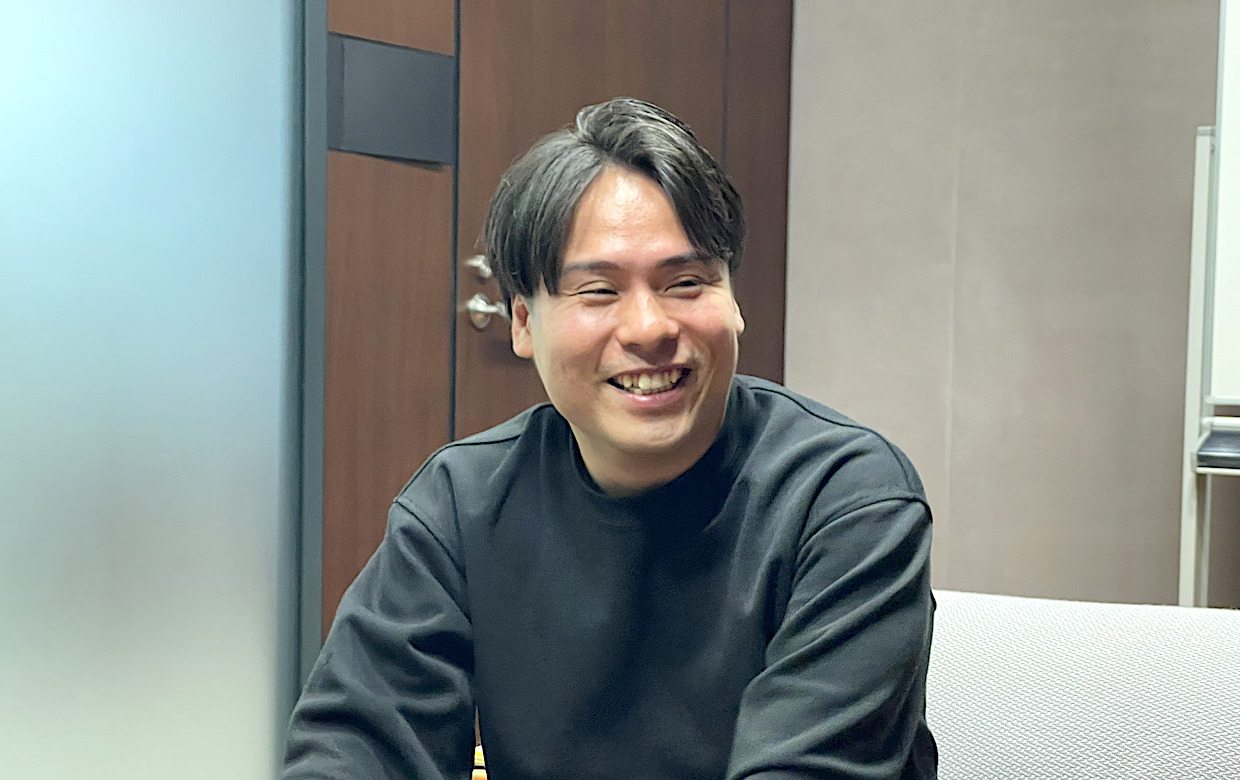
Photo credit: Growthstock Pulse
Regions have their own unique strengths. Ishizawa focuses on “Will Capital.”
I think Tokyo often judges things based on economic logic. On the other hand, in regions, movements arise like ‘Let’s make this startup win no matter what, as a region united. (Ishizawa)
While industry creation movements led individually by major developers on urban themes are seen in Tokyo, in contrast, consider regional areas where the entire region, including local companies, unites to provide support. This economic model is likely to ultimately lead to greater results in areas requiring long-term perspectives, like deep tech.
Meanwhile, Yuta Nakamura, who oversees business development, questions the very category of “regional startups.”
I think truly growing startups are only born as an extension of being in Osaka because Osaka is optimal for succeeding in that business, being in Fukuoka because Fukuoka is optimal.
The biggest challenge in regional startup support is that excellent talent doesn’t gather. But that’s not “because it’s regional,” it’s “because they can only offer 3 million yen (about 19,000 USD) annual salary in the regions.” For example, if you’re doing medical deep tech in Osaka and create an environment where you can hire top engineers at 10 million yen (about 64,000 USD) annual salary, then regions and Tokyo become irrelevant. (Nakamura)
This observation directly connects to the theme of “rewriting regional OS” discussed below.
Rewriting the “Regional OS”

Photo credit: Nryate via Wikimedia CC BY-SA 4.0
To realize industrial creation, movements rooted in regions are necessary. The Tokai region has manufacturing, the Kansai region has electronics, deep tech, drug discovery, and medical care, and Fukuoka has potential as Asia’s gateway—each region has different strengths. With these in mind, SMBC Edge wants to play a role in connecting regional mid-sized companies with startups to create new business opportunities.
I think we need to rewrite the “Regional OS.” Various fixed beliefs have taken root in Japan. For example, no matter how much value-added work you do, fixed beliefs like “compensation is about this much” for each region and occupation have permeated. Unless we break these fixed beliefs, I think good talent won’t gather. (Ishizawa)
Ishizawa says he keenly felt the magnitude of wage disparity between regions and urban areas through talent recruitment for launching SMBC Edge. Even for personnel involved in startups, there’s a large gap in salary levels between Tokyo and the regions.
Japan continues in a situation where good talent doesn’t go to areas that should win. We have to break this OS. Creating that catalyst together with startups is our job, I think. (Ishizawa)
Forget Reviving Every Town, Just Make 2 or 3 Big Winners
SMBC Edge plans to open an Osaka base within this fiscal year and a Fukuoka base within the next fiscal year. What’s important is putting down roots by establishing local bases, not working on a business trip basis. Deepening collaboration with university research labs, local governments, and local companies, getting involved from the seed stage.
I want to become an entity that can lead, saying ‘let’s make this one win,’ while having a real sense of unity with local universities, local governments, and local companies. (Ishizawa)
For example, in Fukuoka’s case, while the largest fund currently is around 5 billion yen scale, SMBC Edge can conduct investment activities leveraging SMBC Group’s assets. They aim to use large assets to make a big impact on regional startup ecosystems.
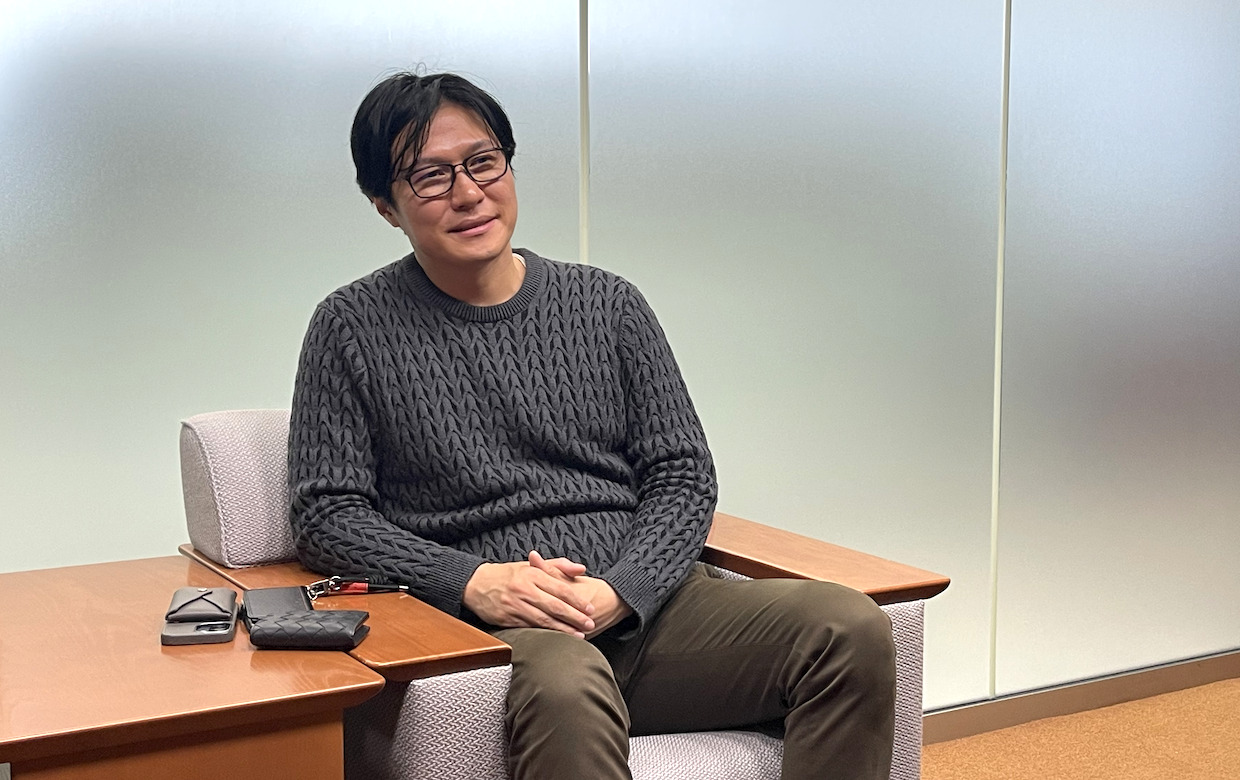
Tomohiro Miyasaka, who oversees the investment division, has a level-headed perspective on regional revitalization.
Tokyo’s ecosystem has already completely taken off, so it can just keep going. But the regions are at risk of sinking. If they sink, regional economies will be exhausted, and Japan as a whole won’t be in good shape either.
That’s exactly why we need to prevent regional economic collapse by supporting businesses that leverage regional uniqueness—advanced initiatives in special zones, tourism industry, resources, or space development utilizing vast land.
It’s extremely difficult to activate all regions evenly on average. First, as a first step, I think it’s enough to create just 2-3 winners. If we can do that, it will become a major catalyst, and successors will follow. (Miyasaka)
The absence of role models is a major challenge for regional startup ecosystems. That’s precisely why SMBC Edge creating 2-3 clear success cases in the regions will become a catalyst that transforms the entire ecosystem.
In Japan, regional revitalization efforts have realistically been led by government administration. However, there’s an aspect where the mere form of “startup support” has preceded without a clear vision.
That’s precisely why a large private player like SMBC Edge needs to move the public sector while showing a vision.
Whether it’s devices, AI, or blockchain, at first everyone says ‘that won’t catch on.’ But when GAFAM invests and governments invest, everyone starts thinking ‘maybe so.’ When a big player creates such a movement, everyone’s opinion completely changes. What can produce that is somewhere with a long-term vision and cash position. (Miyasaka)
Everyone thinks “someone will do it.” Governments and local governments understand they can’t handle everything by themselves, but even when outsourcing to the private sector, there were no players capable of responding to that extent. SMBC Edge is trying to fill that void.
When clear industrial characteristics are established in each region, it becomes easier to attract attention from overseas. SMBC Edge’s regional strategy isn’t mere regional support. It’s a grand attempt to restructure Japan’s industrial structure itself in a form that leverages regional characteristics.
To realize industrial creation, not just Tokyo but regions are crucial. (Ishizawa)
This statement from Ishizawa contains conviction that industrial creation cannot be achieved through Tokyo concentration alone.
Investing hundreds of billions of yen in the regions, attracting high-level talent, and making “people with will” win as an entire region. If 2-3 success cases emerge, they’ll become catalysts that set the entire ecosystem in motion.
What lies beyond is a vision of Japan where multi-polar industrial clusters, not just Tokyo, each leverage their strengths to connect directly with the world. What possibilities lie dormant in your region? And to unleash those possibilities, what’s needed now?



 Growthstock Pulse